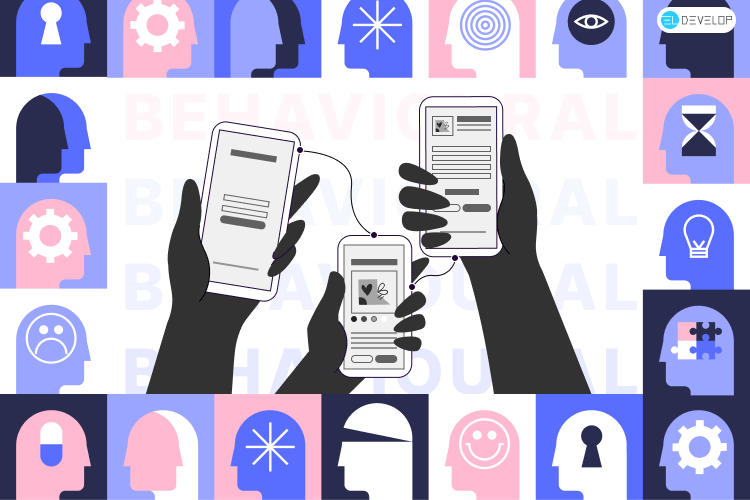
Behavioural Design as a UX Trend in Mobile Apps for 2026
By 2026, mobile application design and user experience is no longer defined by visual polish or smooth animations alone. Most apps today look good, perform well, and follow platform guidelines. What truly differentiates successful mobile products is how well they understand and support human behaviour. Users open apps briefly, often distracted, and expect clarity without effort. In this environment, Behavioural Design has emerged as one of the most important UX trends in mobile development.
Behavioural Design focuses on how people actually think, decide, and act, rather than how designers assume they should behave. Instead of pushing users toward actions through pressure or manipulation, it aims to reduce friction, guide decisions, and create experiences that feel natural and respectful. In 2026, this approach becomes essential for building trust, retention, and long-term value in mobile products.
What Behavioural Design Really Means in UX
Behavioural Design in UX is the practice of designing interfaces and flows based on insights from psychology, behavioural economics, and real user data. Its purpose is not to control users, but to align product design with how the human brain processes information, evaluates choices, and forms habits.
In mobile apps, this is especially important because users interact in short sessions, often with one hand, under time pressure, or in distracting environments. Behavioural Design acknowledges these constraints and adapts the experience accordingly. Instead of asking users to think harder, it helps them think less while still making good decisions.
A Behavioural Design–driven interface anticipates hesitation, confusion, or overload and resolves those issues before they turn into frustration. The result is an experience that feels intuitive, calm, and supportive rather than demanding.
Why Behavioural Design Becomes a Core Mobile UX Trend in 2026
One of the main reasons Behavioural Design rises to prominence in 2026 is cognitive overload. Users are surrounded by digital products competing for attention. When every app asks for engagement, subscriptions, permissions, and decisions, mental fatigue sets in quickly. Mobile UX must now prioritize simplicity at the decision-making level, not just visual minimalism.
Another key driver is the maturity of AI and data-driven personalization. Mobile products can now adapt flows, timing, and interface behaviour based on real usage patterns. Behavioural Design provides the framework for using these capabilities responsibly. Instead of generic interfaces for everyone, apps can offer context-aware experiences that feel personal without being invasive.
There is also a growing backlash against manipulative design practices. Dark patterns, artificial urgency, and aggressive notifications have damaged user trust over the past decade. In 2026, both users and regulators are more sensitive to these tactics. Behavioural Design offers an ethical alternative that focuses on user benefit rather than short-term metrics.
Dark UX: Scary Design Mistakes That Haunt Users
Behavioural Design in Mobile Decision-Making
Mobile UX is fundamentally about decisions. Users decide whether to sign up, enable notifications, complete a task, or abandon the app. Behavioural Design improves these moments by shaping the context in which decisions are made.
For example, instead of presenting multiple equal actions on a screen, a well-designed mobile interface gently highlights the most reasonable next step. This does not remove choice, but it reduces uncertainty. Default values are chosen carefully, not to trick users, but to reflect the most common or safest option. Secondary actions remain available but do not compete for attention.
In a fintech app, this might mean presenting a recommended transfer option based on past behaviour while still allowing manual input. In a health app, it could mean suggesting achievable goals rather than overwhelming users with ambitious targets. These small design decisions significantly affect how confident and comfortable users feel.
Reducing Cognitive Load on Small Screens
Cognitive load reduction is one of the most practical applications of Behavioural Design in mobile UX. Small screens, limited attention, and frequent interruptions make it essential to present information progressively rather than all at once.
In 2026, successful mobile apps guide users step by step, revealing complexity only when it becomes relevant. Forms are broken into manageable actions, explanations appear only when needed, and visual hierarchy clearly communicates what matters most at each moment.
This approach is particularly effective in onboarding flows. Instead of explaining everything upfront, apps introduce features gradually, based on user behaviour. This not only improves comprehension but also reduces anxiety and early drop-off.
Feedback, Reassurance, and Emotional Safety
Behavioural Design recognizes that users seek reassurance, not just functionality. Every action in a mobile app creates a moment of uncertainty, even if it lasts only a fraction of a second. Did the tap register? Was the payment successful? Is the data saved?
Top UI/UX Design Inspiration Websites to Follow
In 2026, micro-feedback becomes more important than decorative animation. Subtle confirmations, clear system states, and immediate responses help users feel in control. This sense of control directly affects trust and long-term engagement.
Emotional safety is especially critical in sensitive domains such as finance, health, and productivity. Behavioural Design avoids language and visuals that create guilt, fear, or pressure. Instead, it focuses on encouragement, clarity, and progress, reinforcing the idea that the app is a supportive tool rather than a demanding authority.
Habit Formation Without Manipulation
One of the most misunderstood aspects of Behavioural Design is habit formation. While older approaches often relied on addiction-like mechanics, the 2026 perspective is fundamentally different. Sustainable products help users build habits that align with their own goals, not the app’s growth metrics alone.
In mobile UX, this means respecting boundaries. Notifications are timed and contextual rather than constant. Rewards acknowledge effort rather than exploit psychological vulnerabilities. Users are given control over frequency, reminders, and engagement intensity.
For example, a productivity app may encourage daily use by highlighting progress trends instead of streak pressure. A wellness app may allow flexible schedules instead of punishing missed days. Behavioural Design in 2026 prioritizes long-term trust over short-term engagement spikes.
Behavioural Design as a mobile UX trend in 2026 represents a shift from persuasion to partnership. Instead of forcing engagement, it focuses on understanding, clarity, and respect. It acknowledges that users are human, not conversion metrics, and designs accordingly.
In a mobile landscape where functionality and visuals are no longer enough, Behavioural Design provides a deeper competitive edge. The most successful mobile apps of 2026 will not be those that shout the loudest, but those that quietly help users make better decisions with less effort.