
All you need to know about SEO
SEO — search engine optimization — comes up constantly in marketing conversations, but a lot of business owners still aren't sure what it actually involves day to day. In simple terms, SEO is the practice of making your website easier for search engines like Google to understand and rank well, so that people looking for what you offer can actually find you.
Think of it this way: if you sell a product, you could buy a billboard that a limited number of people happen to drive past, or you could show up right when someone searches "buy [your product]" — a moment when they've already told you exactly what they want. That second option is what good SEO makes possible.
Programmer's Day 2023
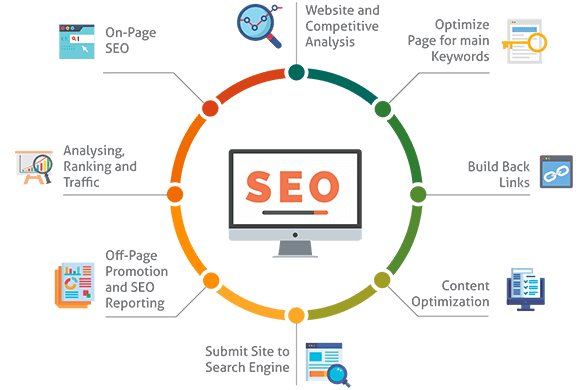
The three pillars of SEO
- Technical SEO — making sure your site is fast, mobile-friendly, secure (HTTPS), and easy for search engines to crawl and index. A broken or slow site can undo all your other efforts.
- On-page SEO — content, keywords, title tags, meta descriptions, headings, and internal linking. This is about making each page clearly answer a specific search intent.
- Off-page SEO — backlinks and mentions from other credible websites, which signal to Google that your site is trustworthy and relevant.
Start with who you're trying to reach
Before touching keywords or code, it helps to get clear on your audience: what are they actually searching for, what problems are they trying to solve, and what language do they use to describe it? Keyword research tools can show you search volume, but understanding intent — is someone looking to buy, to compare options, or just to learn something — matters just as much as the keyword itself.
The Benefits of Implementing SaaS Solutions in Your Business
Write for people first, optimize for search second
One of the most common SEO mistakes is stuffing a page with keywords in a way that makes it awkward to read. Modern search engines are good at detecting this, and it can actually hurt your rankings rather than help them. The better approach: write clearly about your actual topic, use your target keywords naturally where they fit, and structure your content with headings that make it easy to scan.
- Answer the specific question or need behind the search
- Use descriptive, unique title tags and meta descriptions for every page
- Link between related pages on your own site so users (and search engines) can find more of your content
- Keep loading speed and mobile usability in mind — both are direct ranking factors
SEO is a long game
Unlike paid ads, which stop the moment you stop paying, SEO builds up over time and keeps working in the background. It typically takes weeks to months to see meaningful movement in rankings, which is why it works best as an ongoing part of how you run your website rather than a one-time project. Regularly publishing useful content, keeping technical issues in check, and earning genuine backlinks over time is what separates sites that rank consistently from those that spike and fade.
You don't need to become a search engine engineer to get real results from SEO. Focus on understanding your audience, building a site that's fast and easy to use, and creating content that genuinely answers what people are searching for — the rest follows from there.